Meta Just Changed the Rules for AI on WhatsApp — Here's What It Means for Your Gym
 Kai Yang
Founder, Chatify
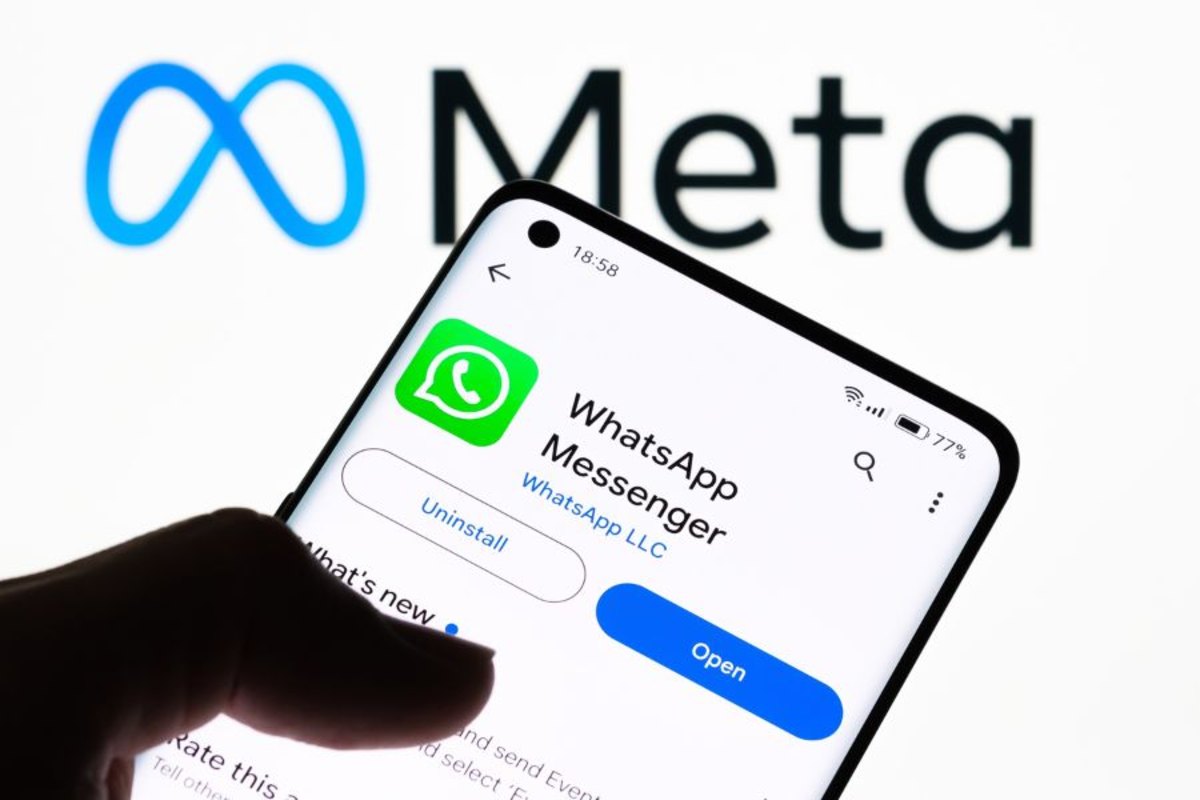
If you saw headlines about Meta "banning AI chatbots on WhatsApp" and worried it affects your gym, here's the short version: it almost certainly doesn't — and the change actually works in your favour. The ban targets standalone AI assistants that use WhatsApp purely as a distribution channel, not businesses using AI to help their own customers. Here's exactly what changed and why it matters for fitness operators.
What actually changed on 15 January 2026
Meta updated its WhatsApp Business API terms to prohibit "general-purpose" AI chatbots — open-ended assistants like ChatGPT, Perplexity, Luzia and Poke that let users ask anything. The rule took effect for new API users on 15 October 2025 and for all existing users on 15 January 2026.
Meta's reasoning was practical: these general assistants generated enormous message volume without supporting the platform's business-messaging model, and Meta wants its own Meta AI to be the assistant inside WhatsApp. The change drew criticism from some rival AI providers on competition grounds.
Banned vs. allowed — and why gyms are fine
The line is simple. If the AI itself is the product, it's banned. If AI supports your real business, it's allowed.
Banned — open-ended "ask-me-anything" assistants where the chatbot is the service users come for. Allowed and encouraged — structured bots for customer support, class and appointment bookings, membership tracking, reminders, notifications, FAQs and lead capture. A gym using WhatsApp to answer membership questions, book trials and send class reminders sits squarely in the allowed column.
the drop in appointment no-shows that automated text and WhatsApp reminders can deliver — one of the clearest ROI cases for any fitness business.Imperial College London text-reminder study
Why this is actually good news for fitness businesses
The policy clears out spammy general-purpose bots and rewards exactly the use case gyms need — focused, helpful automation. It also gives you confidence that a properly built WhatsApp assistant is compliant and here to stay.
Less noise on the channel, clearer rules, and a platform explicitly designed for businesses to talk to their customers. For operators who've hesitated to automate WhatsApp, the uncertainty is now gone.
Why WhatsApp is the channel worth getting right
WhatsApp's engagement dwarfs email. Business messages are widely reported to see open rates far above email — often cited around 90% or more, versus roughly 20% for email — and most are read within minutes. For a gym, that means trial offers, renewal nudges and class reminders actually get seen.
It converts, too — two-way WhatsApp conversations consistently outperform one-way email, where click-through typically sits around 2–5%. Combine that reach with automated reminders that cut no-shows by roughly a third, and the revenue case is hard to ignore.
The rule of thumb is simple: if the AI is the product, it's banned. If the AI helps your members, it's exactly what WhatsApp wants.
What a compliant gym WhatsApp setup looks like
A compliant assistant stays focused on your business — it answers membership and class FAQs, books trials and sessions, sends reminders and renewal nudges, and captures new leads, then hands off to a human for anything unusual. It never positions itself as a general AI you can ask anything.
That's the whole game: narrow, helpful and tied to your services. Built that way, an AI WhatsApp assistant isn't just allowed under the new rules — it's the kind of tool Meta is actively steering the platform toward. (It's also exactly what Chatify builds for gyms and studios.)
Frequently asked questions
Does Meta's 2026 policy ban my gym from using an AI chatbot on WhatsApp?
No. The ban applies only to general-purpose, open-ended AI assistants. Bots built for specific business tasks — bookings, reminders, FAQs, lead capture — are explicitly allowed.
What is the difference between a banned and an allowed bot?
If the AI assistant is the product people come to use, it is banned. If AI supports your actual business and customer service, it is allowed.
When did the new WhatsApp AI rules take effect?
15 October 2025 for new API users, and 15 January 2026 for all existing users.
Is WhatsApp really better than email for my gym?
For engagement, yes. WhatsApp messages are widely reported to see open rates well above email's ~20%, and automated reminders have been shown to cut no-shows by around 38%.
Will an AI assistant get my WhatsApp account banned?
Not if it is scoped to business tasks. The safest setup keeps the bot focused on support, bookings and notifications, with a clean handoff to a human.

 Book a demo